
Urban vs. Suburban vs. Beach: Choosing Your Tampa Lifestyle in 2026
You’ve made the decision: Tampa Bay is the move. Now comes the defining question of your relocation: Where do you actually belong? In my experience helping over 200 families move to Florida, the ones who thrive aren't the ones who found the "prettiest" house. They are the ones who chose the right Lifestyle Zone. Most people fall into the "Vacation Trap"—choosing a zip code based on how they felt during a sunny week in February, rather than how that neighborhood functions on a Tuesday in August.
In 2026, Tampa has evolved into four distinct zones. To choose correctly, you have to look past the floor plan and look at the "Real Math" of your daily life.
Watch: Urban, Suburban, or Beach? Choosing Your Tampa Zone
1. The Urban Core: Walkability & High Culture
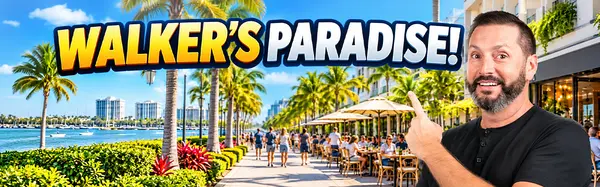
If you are moving from a city like Chicago, Boston, or Ann Arbor and you want to walk to your morning coffee, the Urban Core is your destination.
-
The Neighborhoods: Water Street, The Channel District, Downtown St. Pete, and Hyde Park.
-
The Vibe: Treelined streets, historic character, and a sophisticated culinary scene.
-
The 2026 Reality: You are paying a premium for density. In high-rise buildings, expect HOA fees to range from $400 to $700+ per month, covering luxury amenities and a "lock-and-leave" lifestyle.
2. The Beach Dream: Sunset Walks vs. The "Lifestyle Tax"
Everyone dreams of the Gulf, but in 2026, coastal living comes with a specific "tax" in the form of insurance.
-
The Neighborhoods: Dunedin, Indian Rocks Beach, St. Pete Beach, and Palm Harbor.
-
The "Gotcha": Most beach homes sit in high-risk flood zones. We’ve seen insurance premiums jump from $3,500/year to $8,500/year just by moving five minutes closer to the water.
-
The Verdict: If you need your toes in the sand daily, the tax is worth it. If you only visit the beach on weekends, you might be overpaying for a lifestyle you aren't fully using.
3. The Suburban Rebrand: Intention & Value
Suburban Tampa in 2026 has outgrown its "strip mall" reputation. Modern master-planned communities are now self-contained lifestyle hubs.
-
The Neighborhoods: Lakewood Ranch, Westchase, and Wesley Chapel.
-
The 2026 Advantage: Most of these sit in Flood Zone X (non-evacuation). For a brand-new 3,000 sq. ft. home, we often see insurance premiums as low as $1,300 to $1,800/year—a fraction of coastal costs.
-
The Vibe: Ranch nights, walkable town centers, and the most consistent school quality in the region.
4. The "Hybrid Zone": The Best of Both Worlds
This is the "insider" choice for 2026. These neighborhoods offer the character of a city with the space of a suburb.
-
The Neighborhoods: Old Northeast (St. Pete), Historic Kenwood, and Hyde Park (Tampa).
-
The Vibe: Brick streets, 1920s bungalows, and massive oak trees, all within walking distance of downtown culture but with a private yard and lower flood exposure.
The 2-Question Decision
Before you sign a contract, run your move through these two tests:
-
The Weekend Test: On a normal Saturday, do you want to walk to a local bistro (Urban/Hybrid), or are you okay with a 35-minute drive to the beach as a destination (Suburban)?
-
The 5-Year Financial Test: Is being 5 minutes closer to the water worth an extra $5,000/year in insurance? Over 5 years, that’s $25,000. Is that your "beach tax," or is it your kid's college fund?
Clarity beats the "Vacation Trap" every time. If you want to run the real numbers for these zones against your specific budget, let’s jump on a Zoom.
Categories
- All Blogs (89)
- Beach Life (5)
- CDD Fees (1)
- Clearwater (2)
- Coastal Living (2)
- Education & Schools (1)
- Family Life in Tampa (2)
- Financial Planning (11)
- Investing in Tampa Bay (4)
- Land O' Lakes (1)
- Largo Florida (1)
- Lifestyle & Culture (23)
- Living in Tampa (11)
- Luxury Living (2)
- Market Insights (20)
- Moving to Tampa (18)
- Neighborhood Guides (13)
- Neighborhood Spotlight (10)
- Odessa (1)
- Palm Harbor (1)
- Parrish (2)
- Pros & Cons (2)
- Relocation Guide (18)
- Relocation Tips (52)
- Remote Work (1)
- Sarasota (1)
- Seminole (1)
- St. Petersburg (5)
- Tampa Cost of Living (3)
- Tampa Developments (3)
- Tampa Lifestyle (9)
- Tampa Neighborhoods (4)
- Tampa Suburbs (3)
- Things To Do in Tampa (1)
- Two Rivers (1)
- Walkable Neighborhoods (3)
- Wesley Chapel (2)
- Zephyrhills (1)
Recent Posts